All Categories
Featured

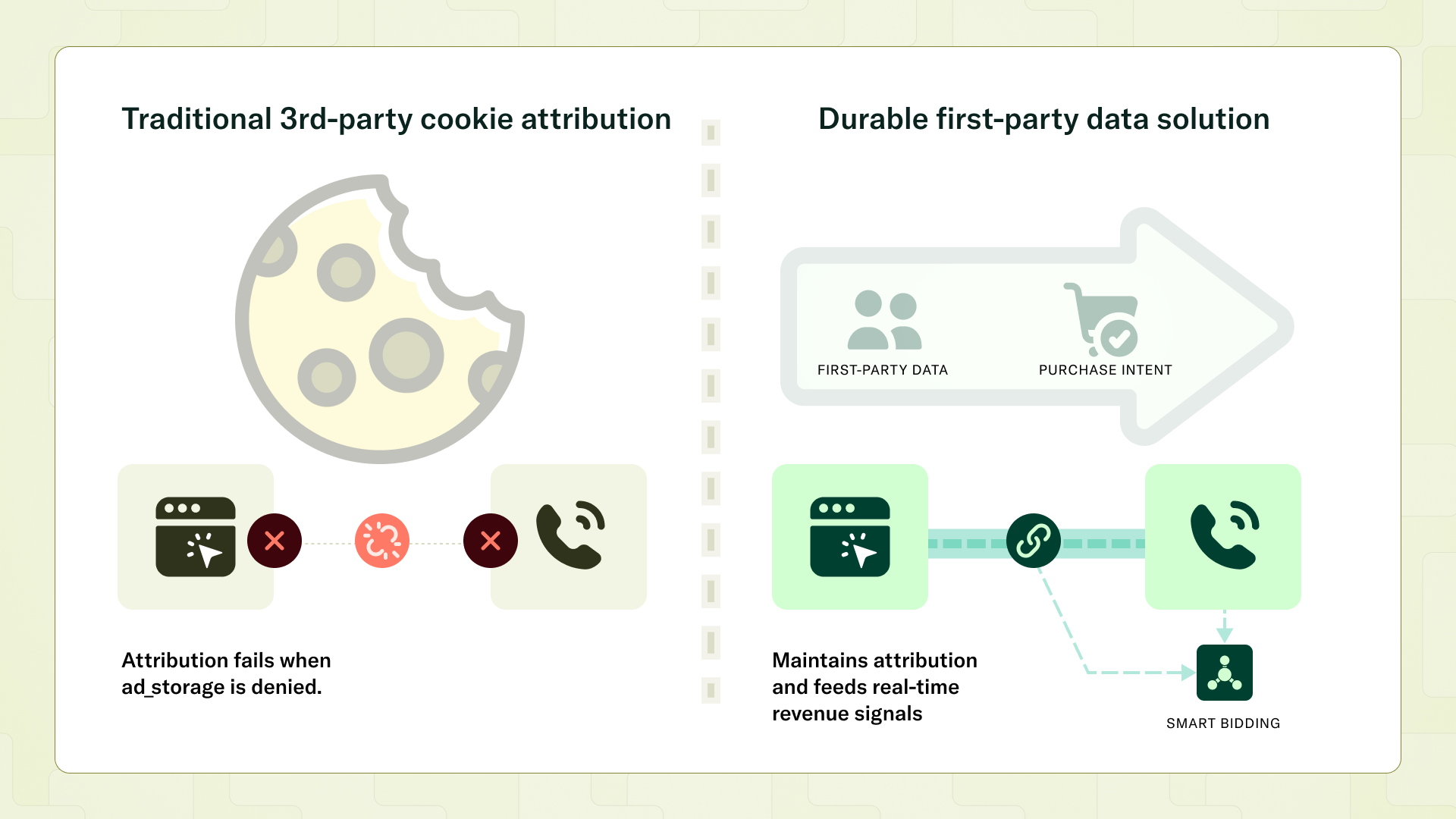
Strategic Paid Growth Tactics for Succeed in 2026
Table of Contents
At least one landscape image (1200x628), one square image (1200x1200), one logo (1200x1200), one brief headline (30 characters), one long heading (90 characters), and one description (90 characters). Providing the optimum variety of properties gives Google more mixes to test. Lead with your value proposal or deal, not your brand.
Dynamic remarketing advertisements for ecommerce pull product images, titles, rates, and accessibility directly from your Merchant Center feed. The quality of your feed directly identifies the quality of your vibrant ads.
Titles need to be detailed but not keyword-stuffed. Rates should be precise and present. If a product goes out of stock, your feed ought to show that right away, otherwise you are serving advertisements for products users can not buy. Dynamic remarketing paired with a well-maintained item feed is among the most efficient ways to recuperate deserted carts.
Your remarketing creative should develop based on how long ago the user checked out. No difficult sell. Remind them why your item or service is worth selecting.
Executing this cadence requires several ad groups with different subscription durations and imaginative sets. It takes effort to set up and keep, but the performance difference is considerable compared to running the same advertisement to everyone for 30 days directly.
Effective Digital Growth Frameworks in the United States Market
Set your target based on historic remarketing Certified public accountant, not your combined account CPA, since remarketing usually converts at a lower expense. Set it based on your actual remarketing ROAS, which should be higher than your prospecting ROAS since you are targeting warmer audiences.
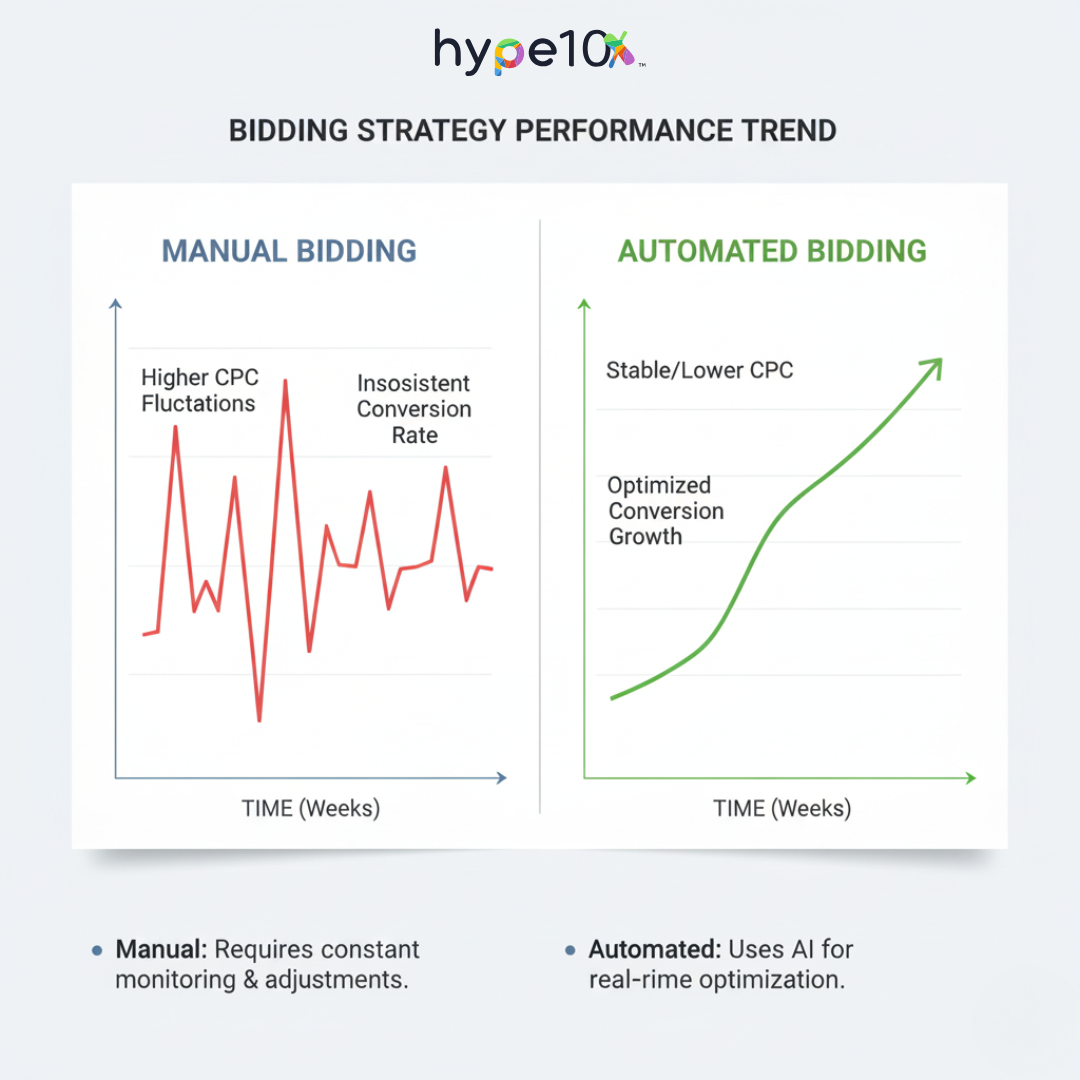
Setting targets too strongly from the start will restrict delivery and prevent the campaign from acquiring traction. If your remarketing lists are too little to generate 30 conversions each month, Target certified public accountant and Target ROAS will struggle. In this scenario, usage Maximize Conversions (without a target) or perhaps Manual CPC with boosted CPC enabled.
It is less effective than target-based techniques, however it offers the algorithm versatility when information is restricted. As your lists grow and conversion volume increases, shift to target-based bidding. This progression is something that needs ongoing monitoring, adjusting the bidding technique as list sizes and conversion volumes change week to week.
A user who was going to transform anyway might have passively seen your display advertisement in a sidebar. Counting that as a full conversion overstates show's contribution.
Effective Paid Growth Marketing in the United States Market
Reduce your view-through conversion window to 1 day (rather of the default 30) to lower sound. A user might click a remarketing advertisement, leave, come back through natural search, and then transform.
For remarketing particularly, think about whether a much shorter window (7 to 2 week) gives you a more precise photo of display's incremental impact. Use the Design Comparison tool in Google Ads to compare last-click attribution against data-driven attribution. If remarketing campaigns look drastically various under DDA, it recommends they are playing a help function rather than a last-click function, which is important however should be represented in how you evaluate efficiency.
Remarketing is operationally requiring. Exclusion lists require upgrading as brand-new conversions come in. An agency may examine your remarketing campaigns during their weekly check-in.
[target1:anchor_exact1]This is exactly the sort of work that takes advantage of around-the-clock management. When AI agents monitor your campaigns continuously and make real-time modifications, the compounding effect on remarketing performance is considerable. groas methods Show remarketing as a fully handled operation, not a set-it-and-forget-it method. When you onboard with groas, your dedicated account manager carries out a complete audit of your Google Ads account, including your remarketing setup, audience lists, creative properties, and attribution configuration.

Latest Posts
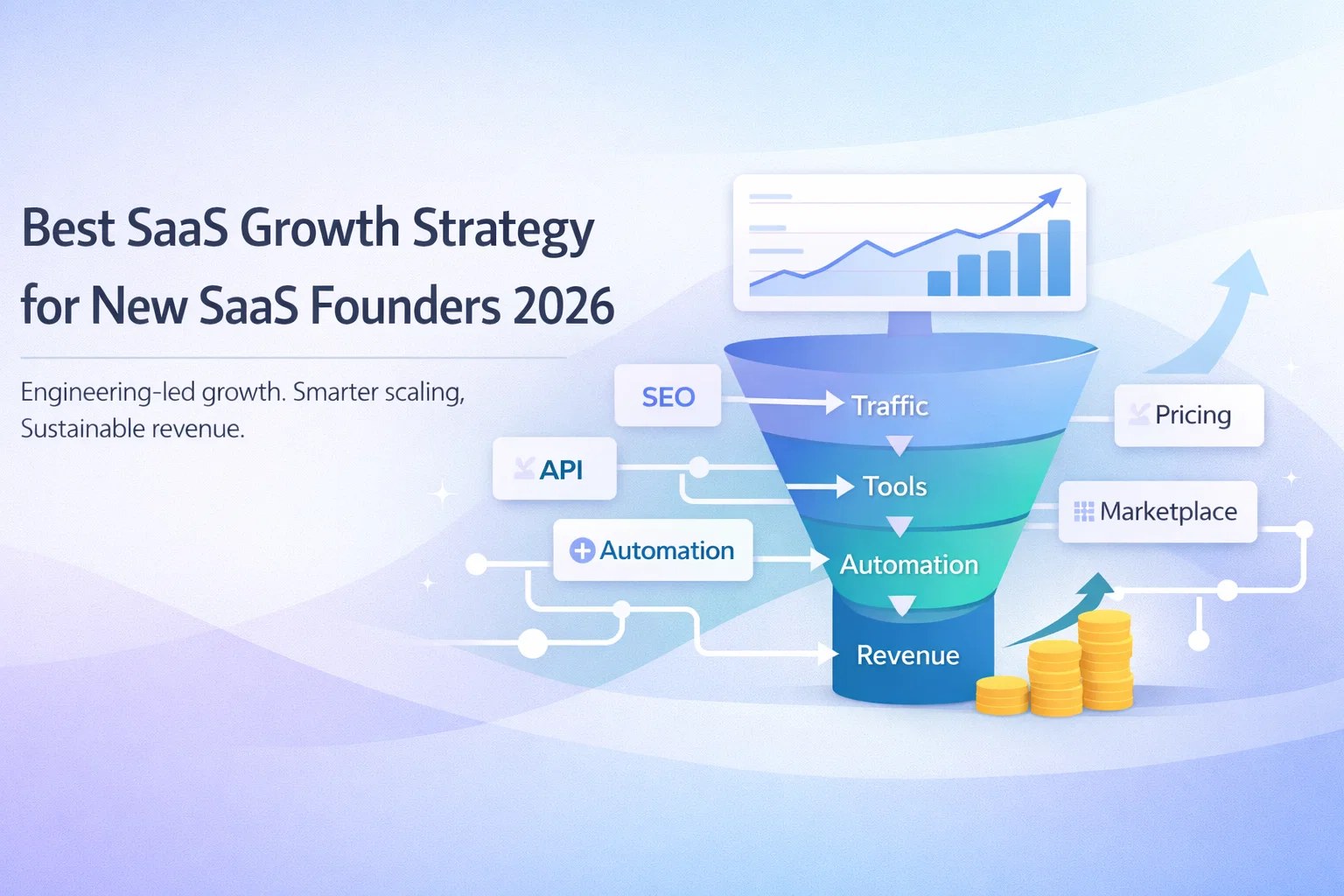
Scaling Digital Growth Results Via New Tactics
Scaling Paid Growth Across the United States

Minimizing Ad Spend Through Modern CRO