All Categories
Featured

Landing Page Best Practices for 2026 Digital Growth
Table of Contents
It was an opportunity to appear on Helen Guo's SMB Offer Hunter podcast recently, talking about how I bought an accounting firm as a non-CPA. My 2 personal takeaways from this and other interviews I've done: 1. AMAZING how company ownership forces exponential personal, psychological, and psychological development. Even since we recorded this a couple of months ago I'm miles ahead of where I was in this minute.
My background is super charming, however the canvas you see to my left bottom (on my right in real life), painted by my boy, does not quite reveal up as the Red Bike Advisors brand as he meant. Most likely time for a bit of a clean-up back there. Enjoy here!.
[target1:anchor_exact1]Google Advertisements tracks dozens of numbers. The ones that matter depend on your campaign objective. Earnings campaigns watch ROAS and certified public accountant. Awareness projects track impressions and CTR. This guide breaks down the key metrics and shows you how to act on every one.-- Metrics tell you whether your invest is working.

Refining Conversion Pages for High-Performance Paid Growth
Per Google's Advertisements Assist Center, the metrics you need to focus on depend on your goal. Enjoy ROAS and CPA. CTR informs you whether your advertisements are resonating.
Track what aligns with your goal. Metrics surface where that data points: which keywords waste spending plan, which advertisements pull clicks, which landing pages eliminate conversions. They inform you how typically your advertisement appears and how typically people act on it.
High impressions combined with low clicks is a caution sign. Your ad isn't engaging, or you're targeting the wrong audience. Impressions alone don't signify success, but they set the standard for whatever else. CTR is clicks divided by impressions. Per Google Advertisements documents, 5 click 100 impressions equals a 5% CTR.
It feeds into Advertisement Rank, which identifies where your ad appears in the auction. Advertisements that consistently make clicks signal to Google that your material matches searcher intent.
Conversions foot the bill. A conversion is any action you specify: a purchase, a kind fill, a call. Conversion rate is conversions divided by eligible clicks. Per Google's Ads Help Center, this metric tells you how frequently a click becomes the outcome you desire. A low conversion rate normally indicates a landing page issue, not an ad issue.
Advanced Conversion Rate Optimization Tips for Lower Costs
It tells you the average expense to get one customer action. If your CPA exceeds what a customer is worth to you, the campaign requires work. ROAS procedures profits made per dollar invested. Per Google Advertisements documentation, a 500% ROAS suggests you make $5 in earnings for every single $1 spent.
One essential note: you need conversion tracking set up in Google Ads before these metrics appear. Without it, you can not measure certified public accountant, ROAS, or conversion rate properly. This is overall conversion value divided by total ad invest. It provides you a quick ratio that approximates roi across your whole account.
-- These inform you how you're doing relative to other marketers going after the same audience. Impression share is the portion of eligible impressions your advertisements actually got. Per Google's Ads Help Center, low impression share typically indicates you're losing presence to spending plan restraints or low quotes. Absolute leading impression share tracks how typically your advertisement lands in the most prominent position.
[target1:anchor_exact1]Maximizing Search Ads Performance With Advanced Growth Methods
Quality Rating runs from 1 to 10. Per Google Advertisements documentation, it's built from three components: anticipated CTR, advertisement relevance, and landing page experience. Each component is rated above average, average, or second-rate compared to other advertisers over the last 90 days. Quality Score is a diagnostic tool only.
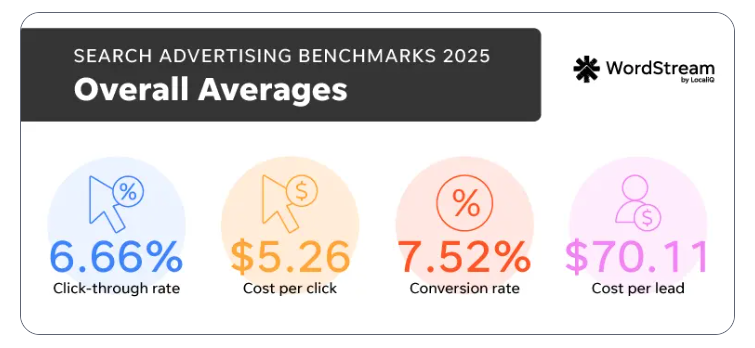
Utilize it to discover weak points in your copy, keyword targeting, or landing pages. Low impression share with average Quality Rating? Raise your spending plan. Below-average ad significance? Your keywords and ad copy aren't lined up. Below-average landing page experience? Repair the page. Each metric points to a specific repair.-- Knowing the metrics is step one.
Check the metrics that match your goal. Don't go after CTR if your goal is CPA. Set a reporting regimen: weekly for active projects, month-to-month for evergreen ones. Consistency beats periodic deep dives. A lot of CTR and conversion rate issues come from weak creative or copy. Evaluate a brand-new heading. Swap in a more powerful image.

Latest Posts

Scaling Digital Growth Results Via New Tactics
Scaling Paid Growth Across the United States

Minimizing Ad Spend Through Modern CRO